The first 90 days: why capable leaders stall, and how to make the shift deliberately
READ TIME 6 MIN
I have come to believe that role inertia is one of the greatest hidden barriers to leadership success. We are promoted because of what we do well, then expected to succeed by doing something different. Many leaders spend years unknowingly serving the demands of their old role while occupying a new one. This is the story of how I learned to recognise that gap, and how I now help others bridge it.
After years of success as an ICT Director, I earned my first executive role as CIO of a major hospital system in Phoenix, Arizona. The organisation was under strain, facing broad challenges that demanded real transformation. I stepped in with confidence, ready to deliver results. I had a strong team of experienced directors reporting to me, and on the surface, things were progressing well.
One day, a trusted director named Tom came into my office and asked me a question that stopped me in my tracks: "Dave, are you satisfied with how I'm doing my job?"
I was surprised. I regularly praised Tom and his team for their excellent performance. So I asked why he felt the need to ask. He replied, "Oh, it's just that when my boss starts doing my job, I wonder if I'm not doing something right."
Tom's words made quite an impact on me as he was a trusted colleague.
That moment sparked deep self-reflection. I realised I was still behaving like a director, immersed in the operations of my portfolio. I was micromanaging, not intentionally, but habitually. What had made me successful in the past was no longer what was needed. I was stuck in what I now call Role Inertia.
I turned to my mentor. I revisited my position description. I asked myself two fundamental questions: How should I be spending my time? What should I be focused on?
I came to a realisation: my new role was not about managing the inner workings of the IT portfolio. It was about engaging outwardly, shaping digital strategy, building cross-functional relationships, aligning digital investments to organisational priorities, and influencing change across the enterprise.
Patrick Lencioni's concept of "Team One" in The Advantage resonated deeply. I had been treating the team that reported to me as my primary team, instead of seeing the executive leadership team as the team I belonged to. That shift in mindset was pivotal.
I apologised to my directors and made a commitment to lead differently. I told them I trusted them to manage operations and that I would focus on securing the resources, removing the roadblocks, and shaping the future vision that would enable their success.
Over the next eight years, we accomplished extraordinary things. We supported a financial turnaround of the organisation. We standardised clinical operations with digitally enabled workflows. We reduced risk and improved patient safety. We strengthened access to timely clinical information for clinicians and patients. We forged community partnerships to advance interoperability. I helped found Arizona's Health Information Exchange and redefined supplier relationships to be outcome-focused partnerships.
The organisation emerged from the brink of bankruptcy to become a strong, vibrant system and remains so today.
Now, as a consultant and executive coach in digital health, I witness Role Inertia at all levels across healthcare. From managers to department leads to seasoned executives, I see leaders clinging to what made them successful in their prior roles, failing to realise that their context has changed, and continuing legacy behaviours that hold them and their organisations back.
Recognising and breaking Role Inertia requires self-awareness, humility, and intentional leadership. But once broken, it unleashes clarity, influence, and impact.
If my story resonates with you, I encourage you to ask: Am I still leading like I did in my last role? Have I truly shifted my focus to where I create the most value today?
Don't let Role Inertia hold you back. The organisation you're leading, and the leader you're becoming, deserve better.
Originally published on LinkedIn, August 2025.
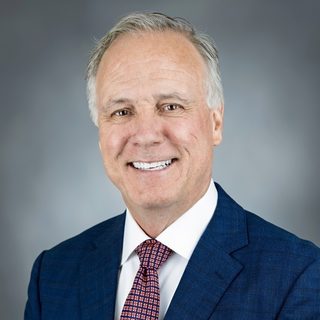
Executive coach and leadership facilitator. Thirty years of military command and a decade leading billion-dollar health systems as CIO and CDO. Works with executives on the hardest promotion of all: transitioning from the work that earned the promotion to the leadership role they have been entrusted to perform. His coaching helps leaders make that shift and thrive in their new role.
An occasional brief, no more than once a month, for senior leaders in health, government and defence: field-tested frameworks, the thinking behind my client work, and first access to new tools and dispatches. No selling, no noise.